
Planning a visit around Glendalough weather
Glendalough weather calls for a flexible plan: summer offers warmer regional averages, while the monastic ruins remain accessible throughout the year. Choose your date around the visit you want, then use the forecast and trail notices to set the day’s route. A short visit to the ruins and lakes needs a different timetable from a mountain walk with a fixed bus return.
The climate figures here come from Met Éireann’s Casement station for the historical normal period 1991 to 2020. Casement is outside the Glendalough valley, so these are regional comparisons rather than measurements at the lakes or on the Spinc. They describe long-term averages, not a forecast for your date. Rain clothing belongs in your bag whichever month you select.
For an outdoor visit with warmer average conditions, June, July and August are reasonable months to consider. A spring or autumn date can also work when your main interest is the buildings and valley floor, provided the day’s conditions suit your plans. Keep the route adjustable rather than deciding that a particular month requires a long mountain circuit.
Transport matters alongside the weather. Match the last part of your walk to the return connection and leave time to reach the stop. If you want to keep more of the day available for walking, consider an overnight base near Glendalough. If sightseeing is the aim, a Dublin excursion can combine the journey with a planned programme.
Our pick: a trip with horse riding
For an outdoor activity, this excursion includes riding in Wicklow.
Hand-picked tours, booked through Viator. Prices are indicative starting prices in euros (as of October 2026). Tap a tour for live availability and the current price in your currency.
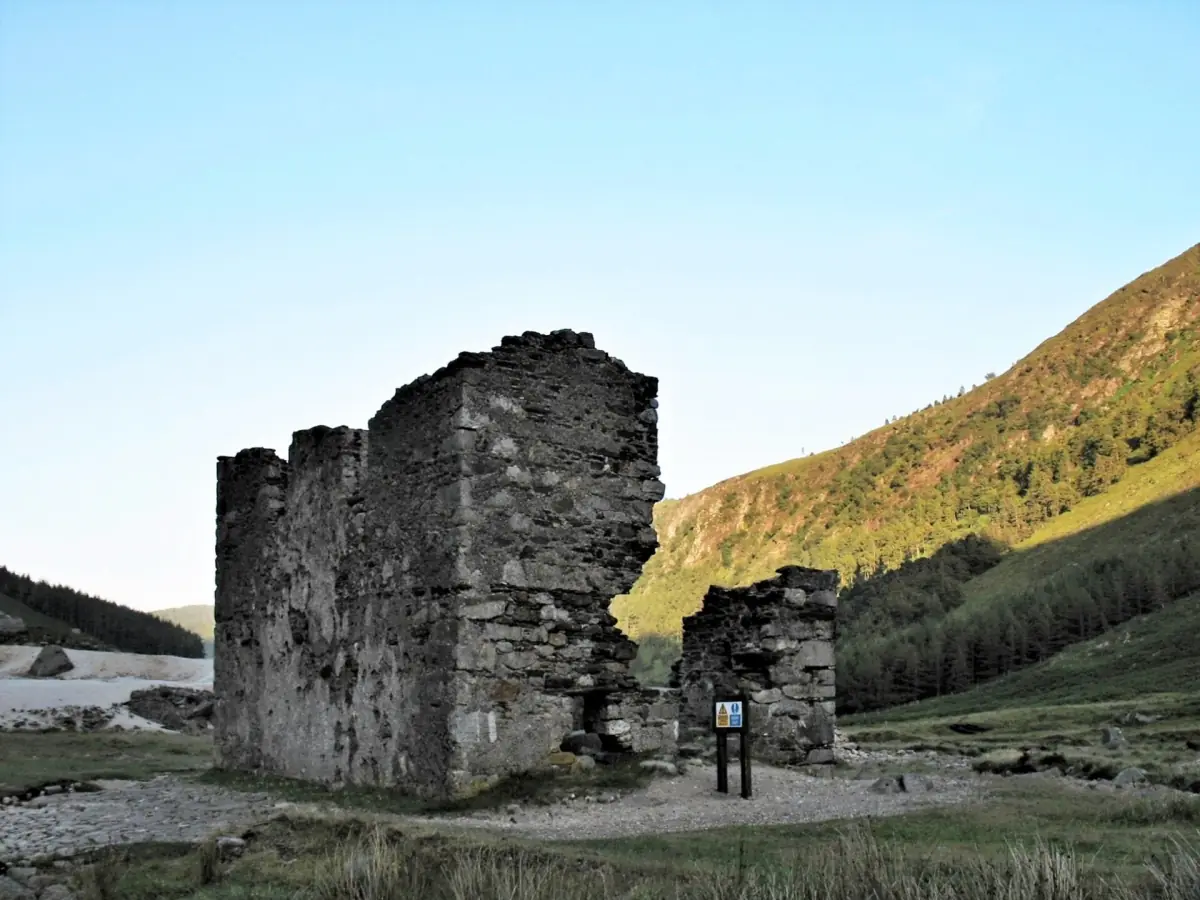
Glendalough with horse riding in Wicklow
This Dublin outing combines Glendalough with horse riding in Wicklow, a local guide and live commentary. Treat the outdoor activity as a weather-dependent choice.
A regional month-by-month comparison
In the Casement 1991 to 2020 averages, January’s mean daily maximum is 8.0°C and its mean daily minimum is 2.4°C. February’s corresponding figures are 8.5°C and 2.2°C. These values help put winter into context, but they do not describe conditions on a particular exposed trail. Choose the route from the day’s forecast and your equipment rather than from a monthly temperature alone.
March has a mean monthly rainfall total of 51.8 mm at Casement; April has a mean daily maximum of 12.4°C and May 15.4°C. Those are different measures: rainfall is a monthly total, while the temperature is an average of daily highs. They can inform a seasonal comparison without identifying a guaranteed dry period in Glendalough.
June’s mean daily maximum is 18.0°C, July’s 19.8°C and August’s 19.4°C. July’s mean monthly rainfall is 59.4 mm and August’s 71.2 mm at the same station. September has a mean daily maximum of 17.0°C. October and November have mean monthly rainfall totals of 81.6 mm and 81.9 mm respectively, while December’s mean daily maximum is 8.3°C. None of these figures is a local lake-water temperature.
Winter visits and seasonal opening hours
The OPW Visitor Centre opens from 09:30 to 18:00 from mid-March to 14 October, with last admission at 17:15. From 15 October to mid-March it opens from 09:30 to 17:00, with last admission at 16:15. It closes from 23 to 29 December inclusive. Plan the indoor stop within those hours rather than treating the whole valley as a single timed attraction.
The ruins are accessible year-round and the lakes themselves have no admission charge. Parking and facility hours are separate matters. The OPW centre’s winter toilets close at 16:15; this does not set the hours for the Council toilets at Upper Lake. Read the visitor centre guide if the indoor visit is an important part of your day.
Parking pressure, trail conditions and equipment
NPWS warns of parking pressure on sunny weekends. Choose a parking location and allow for its walking approach, rather than counting on a space beside the lake. Our transport and parking guide distinguishes Laragh, the Visitor Centre and Upper Lake, including the opening hours that affect a walking start.
For the November 2026 planning position, the Bronze circuit is closed and Orange and Pink routes are diverted. NPWS’s notice of 8 July 2026 announced White Zig Zags works from 20 July for five to six months. This work does not mean a continuous closure of the whole white circuit. Follow signs on the day and use the walking guide to choose a suitable alternative.
Wear sturdy mountain footwear and carry rain clothing, a map and compass with the skills to use them. Leave your route and return time with someone, consider dusk, and turn back when conditions call for it. Avoid cliffs and waterfalls. The horse-riding excursion is an outdoor option in Wicklow, rather than a ride along the Glendalough lakes; choose it for the activity as well as the sightseeing and leave weather flexibility in your wider plans.
Questions about timing a visit
Which months have warmer regional averages?
June to August have warmer daily maximum averages in the Casement comparison. Those historical figures help with seasonal planning; use a current forecast for your actual visit.
Can I visit in December?
The ruins are accessible year-round, while the OPW Visitor Centre closes from 23 to 29 December inclusive. Plan transport, daylight and a route suited to the conditions separately.
Does a sunny day make the mountain routes suitable?
Weather is only part of the decision. Route closures, diversions, equipment and the return timetable still matter. A shorter lakeside or monastic visit can be the more suitable plan for the day.